
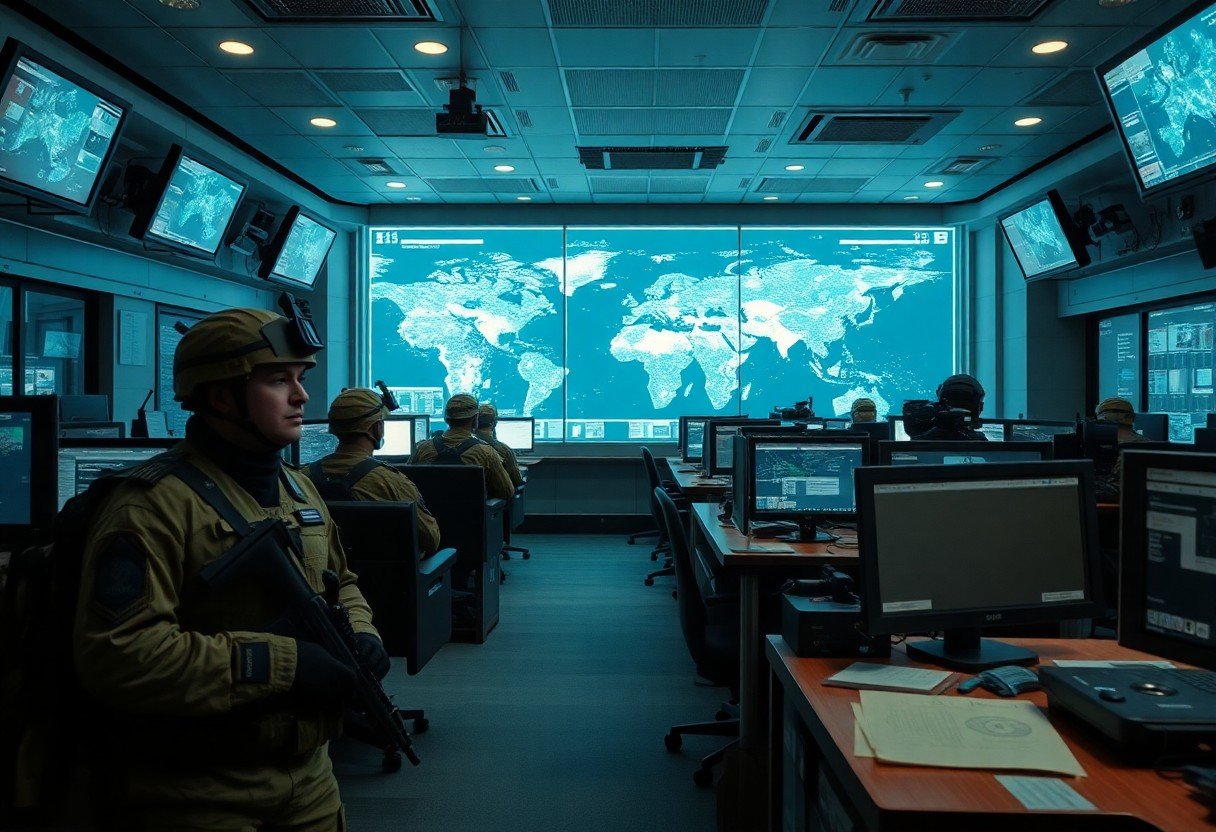

With increasing global attention on international policies, understanding Israel’s security landscape is crucial. You will explore five key strategies that shape Israel’s defence mechanisms, providing insights into how the nation addresses both existing threats and future challenges. By comprehending these strategies, you can gain a deeper appreciation of the complex dynamics that influence Israel’s national security and its role on the global stage.
The Historical Context Shaping Israel’s Defence Posture
Israel’s defence strategies have evolved through a complex tapestry of historical tensions and regional dynamics. The nation was born from the ashes of the Holocaust and amidst ongoing conflicts in the Middle East. This background has instilled a deep-seated belief in the necessity of a robust military that acts as a safeguard against existential threats. Significant events, such as the War of Independence and the Yom Kippur War, have shaped Israel’s relentless pursuit of security and military innovation, making history a primary influencer of its current defence posture.
Key Conflicts that Defined Modern Israel
Several pivotal conflicts have profoundly shaped Israel’s military doctrine and national psyche. The 1948 Arab-Israeli War, often termed as Israel’s War of Independence, was the first significant test where a nascent state fought multiple neighbouring Arab nations. Subsequent confrontations, such as the Six-Day War in 1967 and the Yom Kippur War in 1973, not only reconfigured territorial boundaries but also set the stage for an enduring state of alertness and military readiness in Israel’s national defence strategy.
Evolution of Threat Perceptions Over Decades
Over the decades, Israeli perceptions of threats have transformed significantly, heavily influenced by military engagements and geopolitical shifts. Initially, the focus was on conventional warfare against neighbouring states. However, with the rise of non-state actors and asymmetric warfare, you will notice a shift toward threats from groups like Hezbollah and Hamas. Today, Israel grapples with a multi-faceted security landscape, where cyber threats and regional instability are just as paramount as traditional military challenges.
The evolution of threat perceptions reflects a comprehensive understanding of Israel’s vulnerabilities and the changing nature of warfare. As tensions in the Middle East continue to shape new alliances and enmities, Israel has adapted its defence posture to counter perceived threats not only from conventional military might but also from insurgencies and terrorism. This adaptability is underscored by the establishment of the Iron Dome missile defence system and extensive intelligence operations, ensuring that Israel remains responsive to both visible and emerging risks in an unpredictable security environment.
Strategic Intelligence: The Backbone of National Security
A well-functioning intelligence apparatus is integral to Israel’s national security framework, enabling the nation to anticipate threats and respond effectively. By integrating various intelligence sources, including human intelligence (HUMINT) and signals intelligence (SIGINT), Israel enhances its ability to assess enemy capabilities and intentions. This multifaceted approach not only aids in military planning but also shapes diplomatic strategies, laying the groundwork for informed decision-making at every level of government.
Role of Military Intelligence in Shaping Strategies
Military intelligence serves as the pulse of Israel’s defence strategies, providing timely and actionable insights that drive operational efficacy. Through the analysis of collected data, military leaders can evaluate potential adversaries, forecast threats, and tailor responses accordingly. This intelligence is vital in ensuring that defence initiatives align with geopolitical realities, allowing for adaptability in a fluid security landscape.
Technological Advancements in Intelligence Gathering
Recent innovations in technology have transformed the landscape of intelligence gathering, significantly enhancing Israel’s operational edge. Utilisation of unmanned aerial vehicles (UAVs) and advanced cyber capabilities has not only increased surveillance efficiency but also bolstered data analysis techniques. By harnessing these advancements, Israel ensures comprehensive coverage of potential threats, enabling proactive rather than reactive strategies.
The integration of artificial intelligence (AI), alongside traditional intelligence methods, has revolutionised data processing in Israel’s defence infrastructure. For instance, AI algorithms can sift through vast amounts of data collected from communications intercepts and satellite imagery, identifying patterns and anomalies faster than human analysts. This capability ensures that even the most complex security threats are detected early, enhancing situational awareness and allowing for pre-emptive actions. Additionally, innovations in biometric and facial recognition technologies have further fortified border security, ensuring that threats can be recognised before they materialise. Such advancements exemplify Israel’s commitment to maintaining a technologically advanced defence posture, adapting continuously to emergent threats.
The Military Doctrine: An Aggressive Yet Defensive Stance
The Israeli military doctrine exemplifies an aggressive yet defensive stance, aiming to deter threats while ensuring the nation’s security. This dual approach revolves around maintaining a robust military presence and capabilities, whilst also prioritising rapid response mechanisms to emerging threats. By balancing deterrence with defence strategies, Israel seeks to ensure that any potential aggressor considers the severe consequences of attacking.
Doctrine of Preemption: A Controversial Necessity
The doctrine of preemption plays a pivotal role in Israel’s defence strategy, often viewed as a necessity rather than an option. This approach involves striking potential threats before they materialise, minimising damage before it occurs. While contentious on the international stage, preemptive actions have historically been defended by Israeli leadership as necessary in a region marked by instability and hostility.
Integration of Defence and Offensive Operations
In Israel’s military framework, the integration of defence and offensive operations is key to maintaining operational effectiveness. This synchronisation enhances the capability to respond to threats swiftly while ensuring defensive measures are robust and adaptable. Such an approach allows for seamless transitions between defensive postures and offensive initiatives, ultimately reinforcing Israel’s resilience.
This integration is evident in various military operations, where you can observe forces deploying advanced technologies such as Iron Dome for interception while simultaneously carrying out precision strikes against enemies. The successful combination of ground, air, and intelligence capabilities exemplifies how integrated military strategies can deter attacks, making it difficult for adversaries to evaluate Israel’s intentions. Ultimately, this holistic approach not only fortifies national security but also reassures the populace of their safety amidst ongoing geopolitical tensions.
Regional Alliances and Their Impact on Security Policies
Israel’s security landscape is significantly influenced by regional alliances, which shape defence strategies and enhance military cooperation. These alliances facilitate information sharing, joint exercises, and logistical support, enabling Israel to strengthen defence capabilities against common threats. As regional dynamics shift, understanding these alliances is vital for grasping how they affect Israel’s strategic posture and operational effectiveness in a volatile landscape.
The Role of the United States in Israel’s Defence Strategy
The United States remains a pivotal partner in Israel’s defence strategy, providing approximately $3.8 billion annually in military aid. This support underpins advanced military technologies and fosters joint military exercises, enhancing Israel’s qualitative edge. Furthermore, diplomatic backing from the US in international forums fortifies Israel’s position in addressing regional security challenges.
Emerging Partnerships: Beyond Traditional Allies
Recent years have seen Israel forging new, strategic partnerships beyond its traditional allies in the West. Countries such as India and the United Arab Emirates have become critical partners, largely driven by mutual interests in combatting terrorism and strengthening economic ties. These relationships not only expand Israel’s defence network but also demonstrate its adaptability to a changing geopolitical landscape.
Emerging partnerships are reshaping Israel’s security narrative, illustrating its ability to align with nations facing similar threats. For instance, the Abraham Accords have opened diplomatic and military dialogues with Arab states, promoting collective security initiatives. Additionally, partnerships with countries like India, which has invested in Israeli defence technology and intelligence-sharing, underscore the growing recognition of shared concerns regarding non-state actors and regional instability. Adapting to these emerging alliances reflects Israel’s proactive approach to diversifying its security relationships in an increasingly complex world.
The Socio-Political Landscape: A Shield and a Sword
The socio-political landscape of Israel serves as both a protective barrier and a formidable weapon in its national security strategy. The interplay of historical narratives, cultural identity, and ongoing conflicts has cultivated a complex environment where political discourse directly influences military preparedness and diplomatic negotiations. Local leaders leverage public sentiment to strengthen defence policies, while also navigating the challenges presented by regional adversities and international relations, ultimately shaping the nation’s approach to security and innovation in defence technology.
Domestic Consensus vs. Diverse Opinions on Security
A spectrum of views exists within Israeli society regarding national security, presenting both challenges and opportunities. You will find that while there is a general consensus on the necessity of ensuring Israel’s safety, opinions diverge on methods and prioritisation. For instance, some advocate for a hardline approach against perceived threats, while others promote diplomacy and dialogue as effective strategies. This spectrum influences political parties and public policy, encapsulating the dynamic tensions within Israeli society.
The Influence of Public Opinion on Defence Strategies
Your perception of security directly shapes Israel’s defence policies. An engaged citizenry with varying viewpoints often drives the decision-making process in the government. Public response to military actions, peace negotiations, and security measures can sway political leaders as they strive to balance national interests with societal expectations.
The impact of public opinion is significant, as demonstrated during conflicts such as Operation Protective Edge in 2014. During this period, heightened civilian support for military action led to a more aggressive response against Hamas, with 85% of the population endorsing the IDF’s strategy. However, the public’s mood can shift, prompting calls for de-escalation or peace initiatives, thereby forcing the government to recalibrate its strategies to align with the evolving sentiments of its citizens. This responsive governance helps maintain the legitimacy of defence strategies while adapting to ensure both security and stability.
To wrap up
Upon reflecting on Israel’s national security and its defence strategies, it is crucial for you to recognise the complexity and significance of these five steps. Understanding the historical context, geopolitical dynamics, military capabilities, intelligence operations, and diplomatic relationships will enhance your comprehension of how Israel navigates its security landscape. By equipping yourself with this knowledge, you empower your perspective on regional stability and the broader implications for international relations.